Avenida Lopez Mateos Ensenada: What to Expect on Every Block
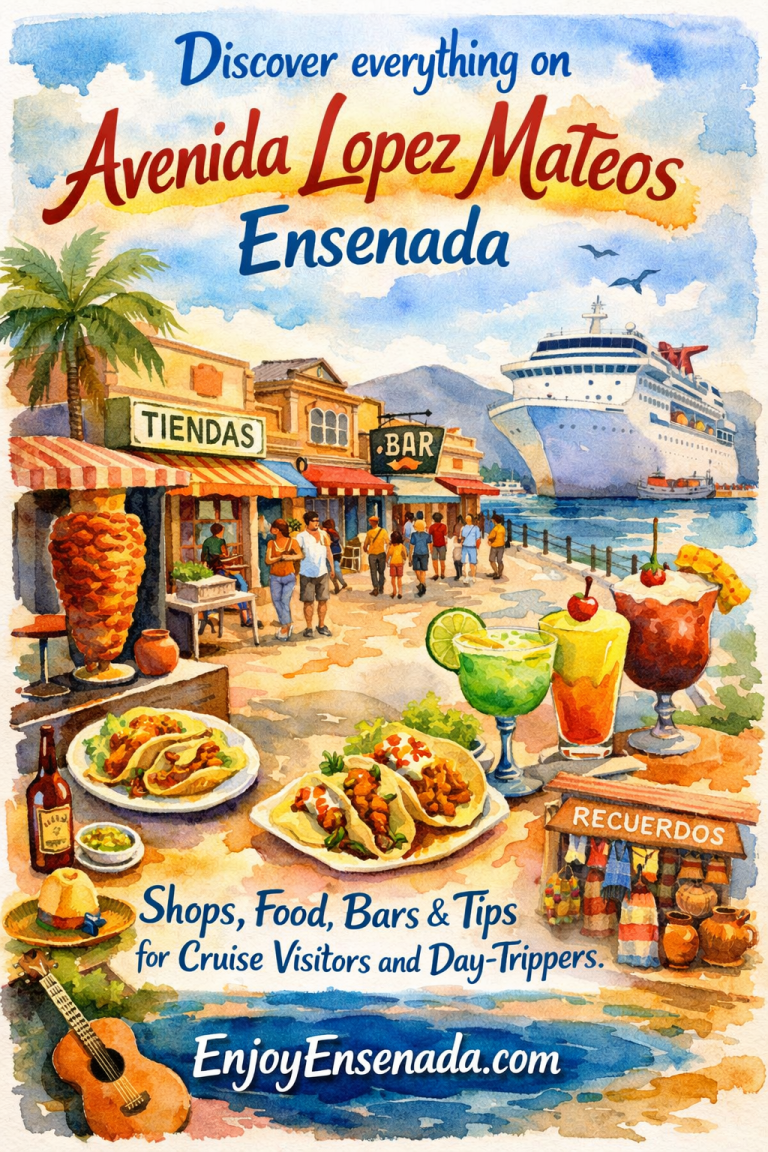
Avenida Lopez Mateos Ensenada is the street everyone ends up on — whether they planned to or not. Cruise passengers walk it on port days. Road-trippers from San Diego make it their first stop. Locals use it as a reference point for everything else. It has a dozen nicknames — Calle Primera, First Street, the tourist strip — and a reputation that divides visitors cleanly between those who love it and those who wish someone had told them what to expect beforehand.
This article tells you what to expect. Not just what is there, but how the street works, which end to start on, what the vendors are actually selling, where the food is worth stopping for, and how to walk it in a way that feels like your own experience rather than a conveyor belt for cruise passengers.
What Is Avenida Lopez Mateos?
Avenida Adolfo Lopez Mateos — to use its full name — is the main commercial street running through downtown Ensenada. It runs roughly four blocks from Calle Castillo in the north to Avenida Riveroll in the south, with shops, restaurants, bars, and hotels lining both sides of the street for the entire stretch.
The street is also known as Calle Primera, or First Street, a name that makes more geographic sense when you understand that it runs parallel to the waterfront one block inland. Most of what visitors associate with downtown Ensenada happens on or immediately around this street. The fish market, the famous cantinas, the silver shops, the taco stands — all of it is either on Avenida Lopez Mateos or within a short walk of it.
It is worth understanding from the start that this is a tourist street. It has been a tourist street for decades. That is not a criticism — it means it is well-practiced at handling visitors, prices are usually marked or negotiable in US dollars, most vendors speak enough English to transact comfortably, and the concentration of everything you might want to do in a few hours is genuinely useful if your time is limited.
Getting to Avenida Lopez Mateos from the Cruise Port
For cruise passengers, the walk from the terminal to the start of Avenida Lopez Mateos takes roughly 20 minutes on foot along the waterfront. The route is straightforward — follow the harbor and the street signs will direct you into the downtown zone. A shuttle also runs between the cruise terminal and a plaza one block from the start of the avenue, which cuts the journey to a few minutes.
For those driving in from the US border, Ensenada is approximately 110 kilometers south of Tijuana via Highway 1D. Once in the city, Avenida Lopez Mateos is the spine of the downtown area and easy to find by following signs toward the centro. Street parking exists along and around the avenue, though a short walk from a side street is often easier than searching for a spot directly on the main drag.
The Layout: North End vs South End
Not all four blocks of Avenida Lopez Mateos are the same, and knowing the difference before you arrive changes how you experience the street.
The North End
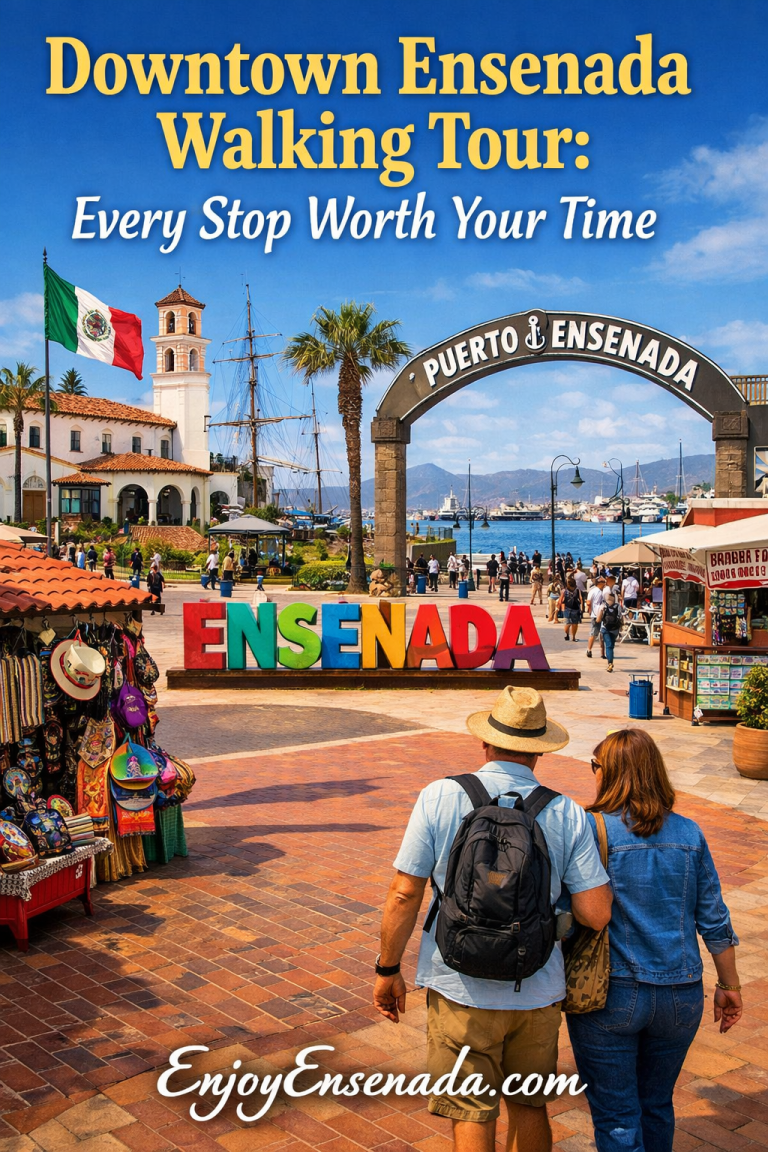
The northern stretch, closest to the cruise terminal, is the most concentrated tourist zone. This is where you will find the highest density of souvenir shops — leather sandals, Mexican blankets, ponchos, painted ceramics, skull decorations, and novelty items in every variation. Sidewalk vendors are active here, and the energy is louder and more commercial. If you are looking for a refrigerator magnet or a sombrero, this is where you find it.
Street vendors in this section are persistent but generally not aggressive. A firm but polite decline moves you along without incident. Many visitors make the mistake of engaging too long, which signals openness to negotiation. If you are not interested, keep moving.
The South End
The southern stretch is a different experience. The shops here are higher quality — this is where the better silver jewelers are located, including Los Castillos, which is one of the most reputable silver shops in Ensenada. Casa Colonial carries Mexican designer clothing. The Blue Shell is known for unique and playful items that go beyond the standard souvenir fare.
The restaurants toward the south end are also generally better. The atmosphere is calmer, the storefronts are more established, and the street itself feels less transactional. If you are only going to spend an hour on Avenida Lopez Mateos, start at the south end and work your way north rather than the reverse.
Shopping on Avenida Lopez Mateos Ensenada
Shopping here operates on a bargaining culture, at least in the souvenir and market-style shops. Prices are rarely fixed in the way they would be in a formal retail environment. Asking a shopkeeper for their best price is expected and not considered rude. Counter-offering is part of the transaction. Whether you enjoy this dynamic or find it exhausting will shape how much time you want to spend in the northern section of the street.
The silver jewelry market is the most notable shopping category. Ensenada has a long tradition of silver work, and the pieces here — particularly items set with Mexican Fire Opal, a striking orange-red stone native to Mexico — are genuinely different from what you find in most US or European markets. Fire Opal pendants, rings, and earrings are among the most commonly purchased items by returning visitors who know what they are looking for.
Ironwood sculptures are another category worth attention. Several shops along Avenida Lopez Mateos carry hand-carved ironwood figures — animals, figures, and abstract forms — that are produced by indigenous artisans from the region. These are heavier and bulkier to travel with but are among the more authentic craft items available on the street.
Beyond silver and ironwood, the shopping on the avenue is broadly what you would expect from a well-established tourist street: leather goods, textiles, painted pottery, folk art, and clothing. Quality varies significantly between shops. Time spent browsing before committing to a purchase pays off.
Food and Drink on the Avenue
The food on and immediately around Avenida Lopez Mateos is one of its genuine strengths — not because every option is remarkable, but because a few specific spots have earned real reputations that go beyond the tourist circuit.
Fish Tacos
Ensenada is widely credited as the birthplace of the Baja-style fish taco — fried fish in a corn tortilla, topped with shredded cabbage, crema, and salsa. Several of the most famous fish taco stands in Mexico are located in or around Avenida Lopez Mateos. Tacos Lily, at the corner near the avenue, was featured by Anthony Bourdain and remains one of the most consistently recommended stops. La Guerrerense, run by Sabina Bandera, began as a street cart on these blocks and is now recognized at food festivals internationally. The tostadas here — piled with fresh seafood, salsas, and garnishes — are among the best examples of Ensenada’s culinary identity.
These are not tourist traps with tourist prices. They are real, working street food operations that happen to be located in the tourist zone. The food is the point.
Bars and Nightlife
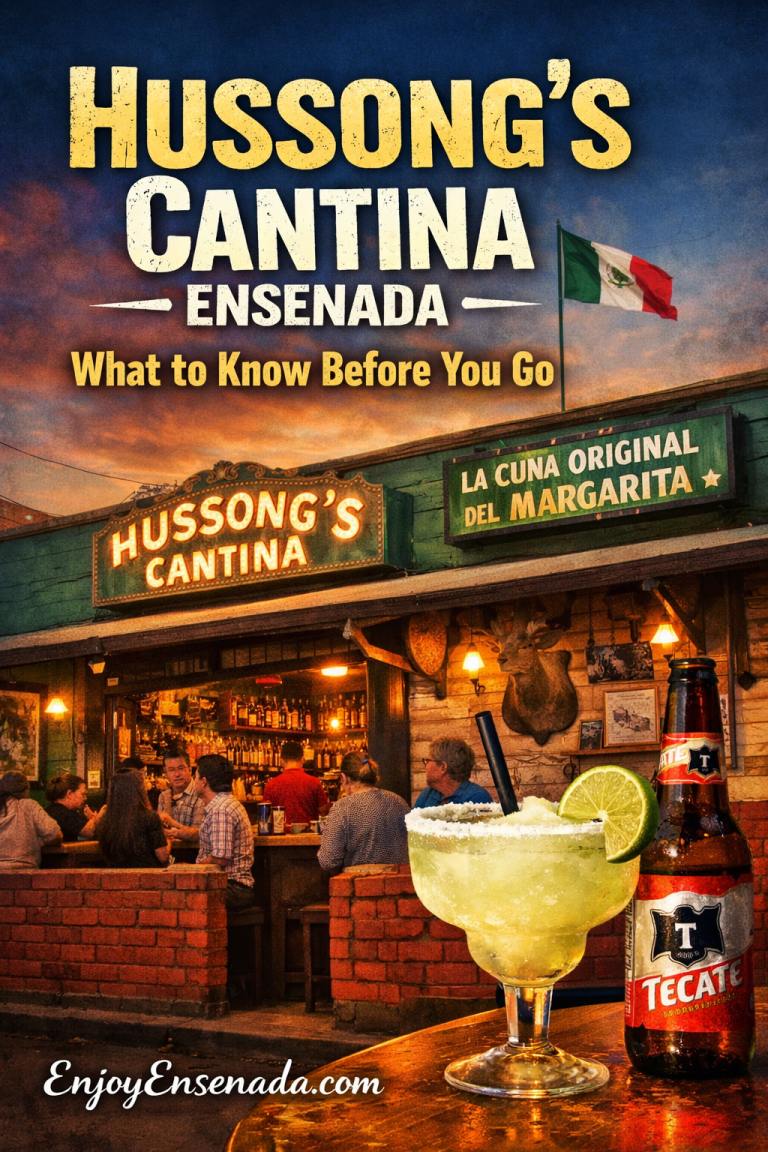
Two of the most well-known bars in all of Baja California are within easy reach of Avenida Lopez Mateos. Hussong’s Cantina, a few blocks from the avenue, has been operating since 1892 and is widely cited as the oldest bar in Baja. The interior has barely changed — sawdust on the floor, a long wooden bar, and an atmosphere that has absorbed more than a century of stories. It also claims to be the birthplace of the margarita, a claim shared by at least one other establishment in town, but a claim worth investigating personally regardless of its historical accuracy.
Papas and Beer, toward the northern end of the street’s orbit, is the louder, younger counterpart — a long-running venue popular with college-age visitors and those looking for a more energetic night out. Both serve as anchors for the nightlife that extends through the blocks surrounding the avenue.
Cafes and Restaurants
Beyond the tacos and the bars, the avenue has a genuine cafe and restaurant culture that rewards slowing down. Outdoor seating at several spots allows you to watch the street from a chair with a coffee or a meal rather than moving through it continuously. El Rey Sol, one of the older French-influenced restaurants in Ensenada, is located in this area and represents the more formal dining option on the strip. Several smaller cafe-style spots offer espresso, pastries, and light meals in settings that feel genuinely local rather than tourist-facing.
What Avenida Lopez Mateos Is Not
It is worth being direct about the limitations of the street so that expectations are accurate. Avenida Lopez Mateos is a tourist zone. It is not a hidden gem, an off-the-beaten-path discovery, or a window into daily Mexican life in any unfiltered way. Many of the shops sell similar items. Prices in the tourist zone are higher than in local markets further from the center. The energy in the northern blocks can feel relentless if you are not in the mood for it.
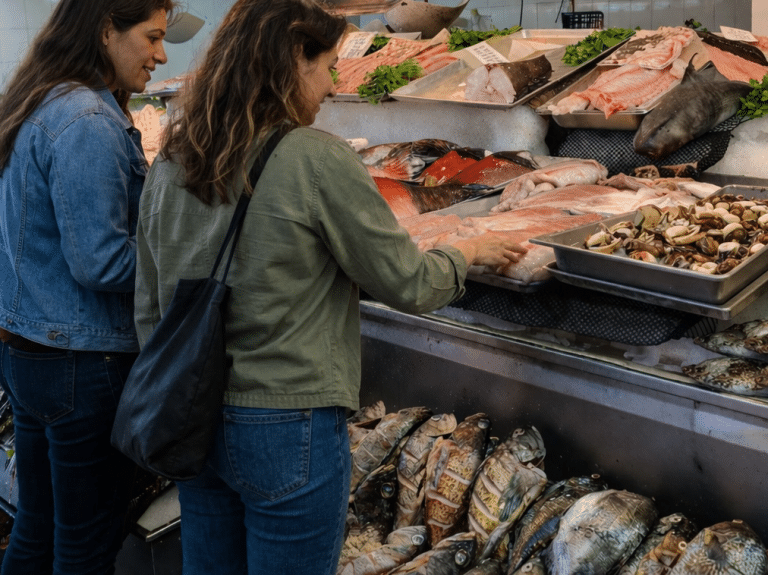
Visitors who arrive expecting a purely authentic experience sometimes leave disappointed. Visitors who arrive knowing they are walking a well-worn tourist street — and who use it as a starting point rather than a destination — tend to have a better time. The best Ensenada experiences often begin on Avenida Lopez Mateos and then move outward from it: toward the fish market on the waterfront, toward the quieter side streets, toward the restaurants that locals actually use a few blocks further in.
For a deeper look at the broader downtown area and where to find those less-traveled pockets, see our Downtown Ensenada guide.
Tips for First-Time Visitors
Walk the full length before buying anything. The street is only four blocks long. A single pass in each direction costs you nothing and gives you a complete picture of what is available before you spend money in the first shop you enter.
Start at the south end. The quality is higher, the atmosphere is calmer, and you finish at the more commercial north end near the port rather than starting there and burning out before you reach the better shops.
Bargaining is expected in souvenir and market-style shops but not in established restaurants or cafes. Read the context before you start negotiating — a sit-down restaurant with a printed menu operates differently from a sidewalk vendor with no prices posted.
Both US dollars and Mexican pesos are accepted across the avenue. However, vendors and shops in the tourist zone often apply a less favorable exchange rate when transacting in dollars. Paying in pesos, even a small amount, often results in a better effective price.
The sidewalks in some sections are uneven. Comfortable walking shoes are not optional if you plan to spend more than an hour on your feet.
If you are arriving by cruise ship and have a fixed departure window, build in time to return to the terminal with a margin. The walk back takes the same 20 minutes as the walk in, and it is easy to lose track of time on a street designed to keep you browsing.
Beyond the Avenue
Avenida Lopez Mateos Ensenada is the logical entry point into the city, but Ensenada rewards the visitor who treats it as a starting point rather than the full experience. The waterfront Malecón is steps away and offers a completely different atmosphere — open, breezy, and oriented toward the harbor rather than commerce. The fish market at Mercado Negro, just off the harbor, is one of the most viscerally impressive food markets in the region. The cultural center at Riviera del Pacífico, housed in a 1930s building that was once a glamorous casino and hotel, is a few blocks away and worth an hour of anyone’s time.
For visitors with more than a port day to spend, the surrounding region opens up quickly. Valle de Guadalupe — Mexico’s premier wine region — is 40 minutes northeast and operates on an entirely different register from the street-level bustle of downtown. Our Valle de Guadalupe guide covers how to approach a day in wine country from Ensenada.
For authoritative background on Ensenada’s history and cultural context, the Britannica entry on Ensenada provides a reliable overview.
The avenue is not the city. But for most visitors, it is where the city begins — and knowing how to walk it well makes everything that follows better.
 Traveler