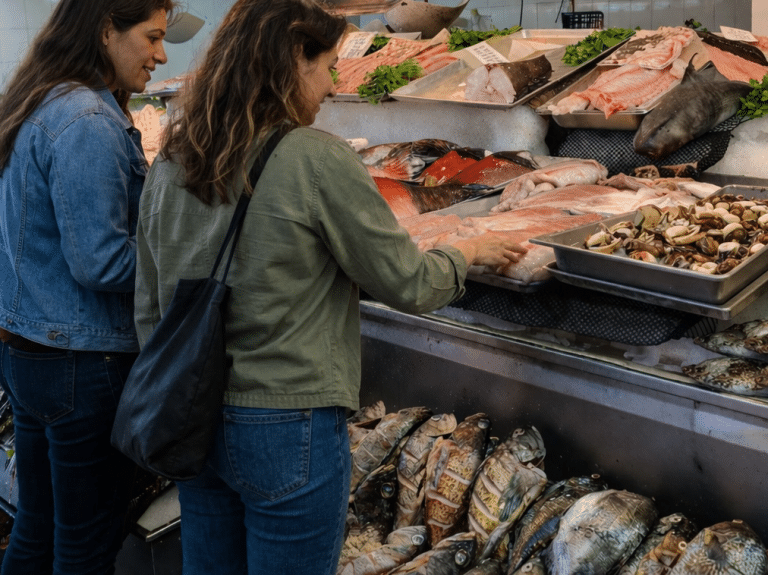
Mercado Negro Ensenada sits on the waterfront where fishing boats unload every morning. It is not a tourist attraction that happens to serve food. It is a working fish market that happens to welcome visitors — and that distinction is exactly what makes it worth your time.
What Mercado Negro Ensenada Actually Is
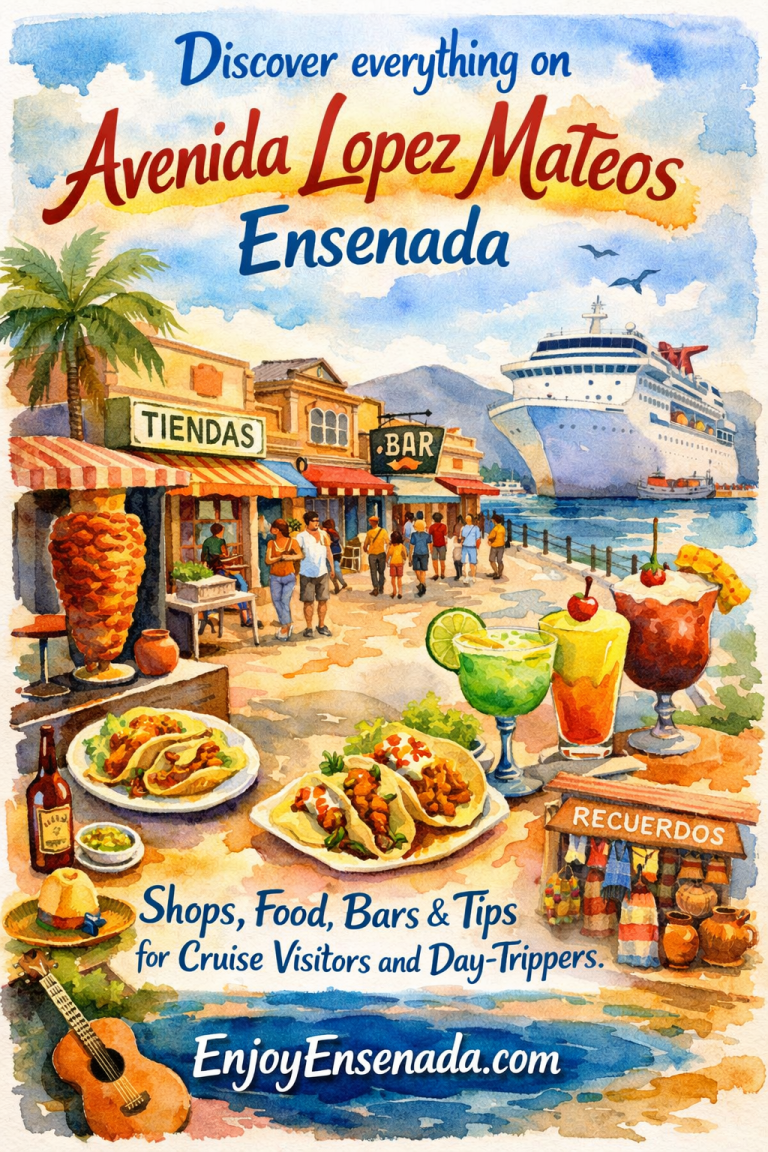
Most visitors arrive expecting a souvenir market. What they find instead is a cluster of a dozen small seafood cafés built around an open fish stall where the day’s catch — shrimp, lobster, abalone, sea urchin, octopus, tuna, and more — is iced, displayed, and sold by weight from early morning.
The name translates to “Black Market,” which sounds alarming until you know the origin. The market earned the nickname because it once sold prized seafood — lobster, shrimp, and abalone — that was technically reserved for fishing cooperatives. It has moved locations five times since its founding and settled at its current spot on the Malecón in the 1950s. Nothing illegal. Just very good seafood at prices that undercut everyone else.
Officially, it is called the Mercado de Mariscos. Locals call it Mercado Negro. Both names refer to the same place. If you see it written either way, you are going to the right spot.
What to Eat and What to Order
Every café at Mercado Negro Ensenada runs a nearly identical menu. That is not a problem — it means everything on the menu is what they do well. Here is what to order:
Fish Tacos
This is the non-negotiable order. Ensenada is the birthplace of the Baja-style fish taco — crispy battered fish, shredded cabbage, crema, and salsa in a soft corn tortilla. At Mercado Negro you are eating them within walking distance of where the fish was unloaded. Order two, then decide if you want more.
Ceviche Tostada
Fresh fish or shrimp marinated in lime juice, served on a crispy tostada with avocado and pico de gallo. Light, bright, and better here than almost anywhere else in Mexico because the fish is hours old, not days.
Seafood Cocktail
A cold mix of shrimp, octopus, or mixed seafood in a tomato-based broth with cucumber, avocado, and onion. Locals eat this as a hangover cure. You should eat it because it is genuinely excellent.
The Sauces
Every table at Mercado Negro arrives loaded with eight to ten sauces in large goblets. These are not decorative. Work through them. The house-made habanero salsa is worth the burn.
Local tip: Point at what looks good in the fish display and ask the café next door to prepare it. Several vendors will cook a whole fish you select from the market stall. This is the move.
Which Stall to Choose
There is no single best café at Mercado Negro Ensenada. Reviewers consistently mention El Norteño for clean service and properly made fish tacos. Beyond that, the honest advice is to walk the row first, see where locals are sitting, and follow them. A full table of local families on a Sunday morning is a better signal than any review.
What differs between stalls is not really quality — it is atmosphere, speed, and whether the vendor speaks enough English to help you navigate the menu. On busy weekends, vendors are enthusiastic to the point of persistent. Be polite but take your time choosing.
How Much It Costs
Mercado Negro Ensenada is one of the most affordable places to eat in the city. Fish tacos, ceviche tostadas, and seafood cocktails are all budget-friendly by any standard. Whole fried fish and larger platters cost more but remain reasonable for the freshness and portion size.
Cash is preferred throughout the market. Some stalls accept USD. Bring pesos if you want the best prices. Light negotiation is possible when buying directly from the fish stalls in larger quantities — it is not expected at the café tables.
Best Time to Go
Early morning is when the fish is freshest and the market is least crowded. If you want to photograph the catch being unloaded and see the market at its most authentic, aim for 8–10am on a weekday.
Weekend mornings bring local families and a livelier atmosphere — good energy, slightly longer waits. Midweek visits are quieter and may get you slightly better deals. Avoid arriving after 2pm if seafood freshness matters to you — selection thins out as the day progresses.
The market operates daily. Most stalls open by 8am and begin closing between 5–6pm, though this varies.
How to Get There
Mercado Negro Ensenada is located on Paseo de la Marina along the waterfront, directly adjacent to the Malecón. It is a 15–20 minute walk from the cruise terminal and a 5–10 minute walk from most downtown hotels.
If you are arriving from outside downtown, a taxi or Uber will get you there in under 10 minutes from most central locations. Parking is available in nearby streets but competitive on weekends — arrive early or use rideshare.
Tips Before You Go
- Bring cash in pesos for the best experience
- Go early for the freshest selection and best photos
- Walk the full row of cafés before sitting down
- Ask vendors before photographing them directly — most say yes
- The market is suitable for families; weekends have a strong local family crowd
- Combine your visit with a walk along the Malecón before or after — they connect naturally
- For a deeper look at Ensenada’s seafood culture, the Seafood Ensenada guide covers the broader dining scene
For the full picture of what makes Ensenada’s seafood culture unique in Mexico, the Saveur guide to Baja California cuisine provides authoritative context on the regional food identity that makes markets like this possible.
Frequently Asked Questions
Is Mercado Negro Ensenada safe?
Yes. The market is on the waterfront in a high-traffic tourist area. It is one of the most visited spots in the city and has consistent police presence nearby. Standard awareness applies — watch your belongings in crowds.
Is there an entrance fee?
No. Mercado Negro is a public market. You walk in, browse, sit down, and order. No tickets, no reservations.
Can I walk there from the cruise port?
Yes. It is approximately a 15–20 minute walk along the waterfront from the cruise terminal. The Malecón connects the two and is a pleasant route.
What is the difference between Mercado Negro and Mercado de Mariscos?
They are the same place. Mercado de Mariscos is the official name. Mercado Negro is what locals and most visitors call it.
Is it good for kids?
Yes. The market is popular with local families on weekends. The food is casual, tables are large, and there is plenty to look at for curious children.
Do they speak English?
Most vendors who serve tourists have enough English to take your order. Menus at the café stalls are often in both Spanish and English. A few words of Spanish go a long way and are always appreciated.
 Traveler